What is an Adaptive Reuse Project?
Adaptive reuse projects is the process of taking old buildings or sites, and reusing them for a purpose other than it was designed.
When considering Adaptive reuse projects it’s important to understand if these investments make sense?
Competition is increasing for developable land within certain asset classes, not to mention with varying demographics and land use trends, opportunities to repurpose functionally obsolete and older properties is growing to be increasingly demanding.
Multiple developers are seeing the importance in redesigning outdated properties for largely different uses than originally made – for example, a retail space transformed into a multifamily/mixed use, a hotel to office, or possibly a school to co-working spaces.
Adaptive reuse is a completely new vision of an old space, not just simple remodeling. Therefore the variables have to adapt.
These projects timeline are normally shorter than ground-up projects which may create more value in an asset. A creative eye is extremely valuable which is advantageous to developers and investors. And then the pricing pressure lessens since obsolete or weak assets have less competition than easier value-add deals or entitled development.
Understanding all market conditions is crucial for Adaptive Reuse Projects. Such as land use and zoning, as-designed and proposed use, and macro trends in demographics.
Underutilized industrial buildings might be a good fit for work/live experiential mixed and retail use in high-demand urban areas.
These projects practicality has improved due to shifting market dynamics. Mainly in areas losing manufacturing, outdated and underutilized retail assets, and areas undergoing densification. A classic example being traditional malls and department stores bleeding because of the rise of e-commerce all the while creating opportunity and demand for industrial buildings of all types to discourse regional logistics, last-mile concerns, and distribution.

Determine the Possibility of Adaptive Reuse Projects
Analyzing the practicality of a property is crucial to determine the viability of all real estate investments. The feasibility process has to be more intensive for adaptive reuse because of the stand out difficulties of repurposing an existing property. Considerations like…
- Demographics
- Location: Analyze the accessibility and constructibility for the end game
- Zoning: Whether general or specific plans govern uses and zoning of the property
- Structure: Study the existing foundation and condition… electrical and plumbing, mechanical and life-safety
- Community Needs: Stakeholders must consider if a community will buy into the project, namely, if support from local groups and community leaders will be a positive. Along with considering if the project will have backing from local planning commission, city council, or architectural review board.
Considering all of these factors will aid investors and developers in making thorough decisions.
Trip down Memory Lane
What we mean by this is to look back to learn from the past. Are there any unsolvable issues that were already faced. Are there boundary or easement challenges, historical preservation ordinances, or even legacy environmental issues?
Something to reminisce on for industrial properties… is there a free and clear use for construction and zoning approval? Industrial use challenges are more complex in regards to environmental remediation and these challenges affect both regional and national markets and local.
Thanks so much for reading! If you need consulting for Phase I Environmental Site Assessments, Phase II Subsurface Investigations, Property Condition Assessments, or any Commercial Real Estate transactions of any kind, feel free to ask for a quote today.
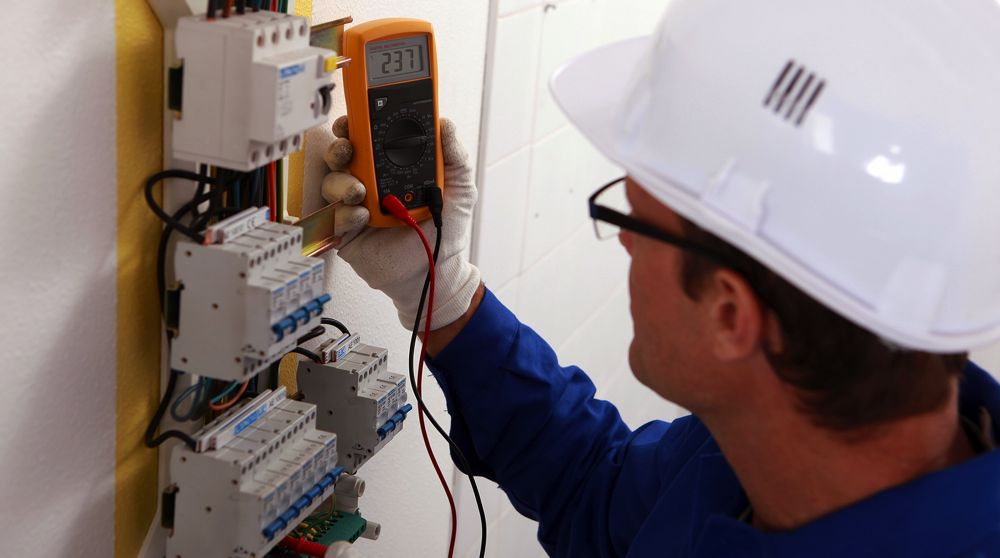
So, what is a Phase 1 Environmental Site Assessment?
A Phase…

Learn from 3 respected female leaders in the commercial real estate industry who have paved the way for other women in Commercial Real Estate. Find out their biggest lessons throughout their careers and apply them to your professional career.

Check out 3 ways for CRE Investors to quicken decisions in uncertain markets. With movements and changes in the US economy and real estate industry it's crucial for investors to keep up to pace and pivot to remain successful. Included are reasons for this change in the CRE industry, ideas to fill property space with new-age tenants and diverse tenants, ways to build capital relationships and maintain banking communication, and instructions to diversify your assets. Specific statistics and helpful practical steps combined with expertise from a leader of a commercial real estate firm qualify for a must-read. "To stay relevant, future real estate leaders need to continue on the path of innovation. While transformation is tough, the only way to continue growing is to advance with the times. As it was in previous cycles, great things come to those who are able to pivot during the hardest times."